
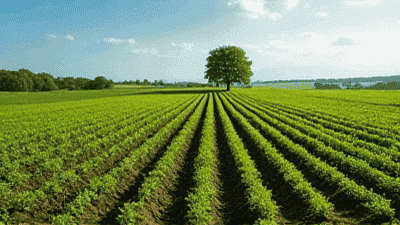
Sustainable agriculture is a crucial aspect of ensuring food security and protecting the environment for future generations. Among the various methods adopted by farmers to maintain soil health and increase crop productivity, crop rotation emerges as one of the most effective and sustainable practices.
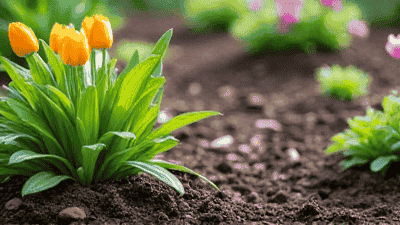
Gardening offers a unique blend of art, science, and environmental passion. It allows individuals to connect with nature while contributing to ecological balance and sustainability. Among various gardening practices that promote plant health and environmental stewardship, mulching stands out as an incredibly effective technique.
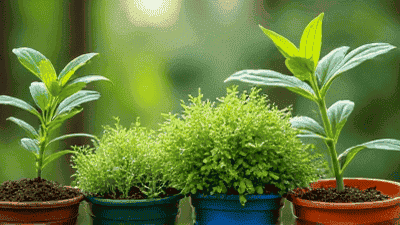
Gardening has long been a cherished activity, providing nourishment, beauty, and a sense of connection to nature. As more individuals recognize the importance of sustainable practices, methods like companion planting have gained popularity. This holistic approach to gardening not only promotes plant health but also encourages biodiversity, natural pest control, and increased yields.
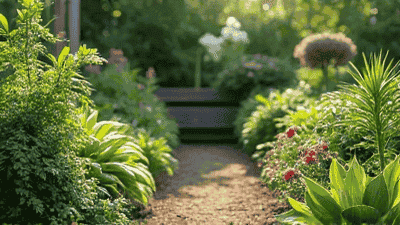
Sustainable gardening is a vital practice in our progressively eco-conscious world. It not only allows you to grow your own food but also reconnects you with nature while supporting local ecosystems. Starting an eco-friendly garden may seem daunting, but it can be an enjoyable and rewarding endeavor.
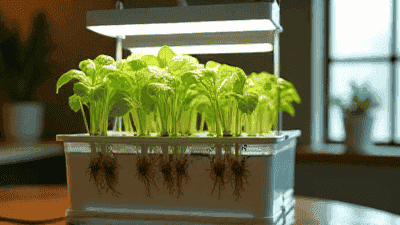
In the pursuit of sustainable living and efficient gardening practices, many individuals are turning to innovative methods that challenge traditional soil-based cultivation. One such method is hydronics, a soil-free approach to growing plants that offers a range of benefits for gardeners, whether they are experienced horticulturists or novices looking to expand their gardening techniques.